The one-sentence version
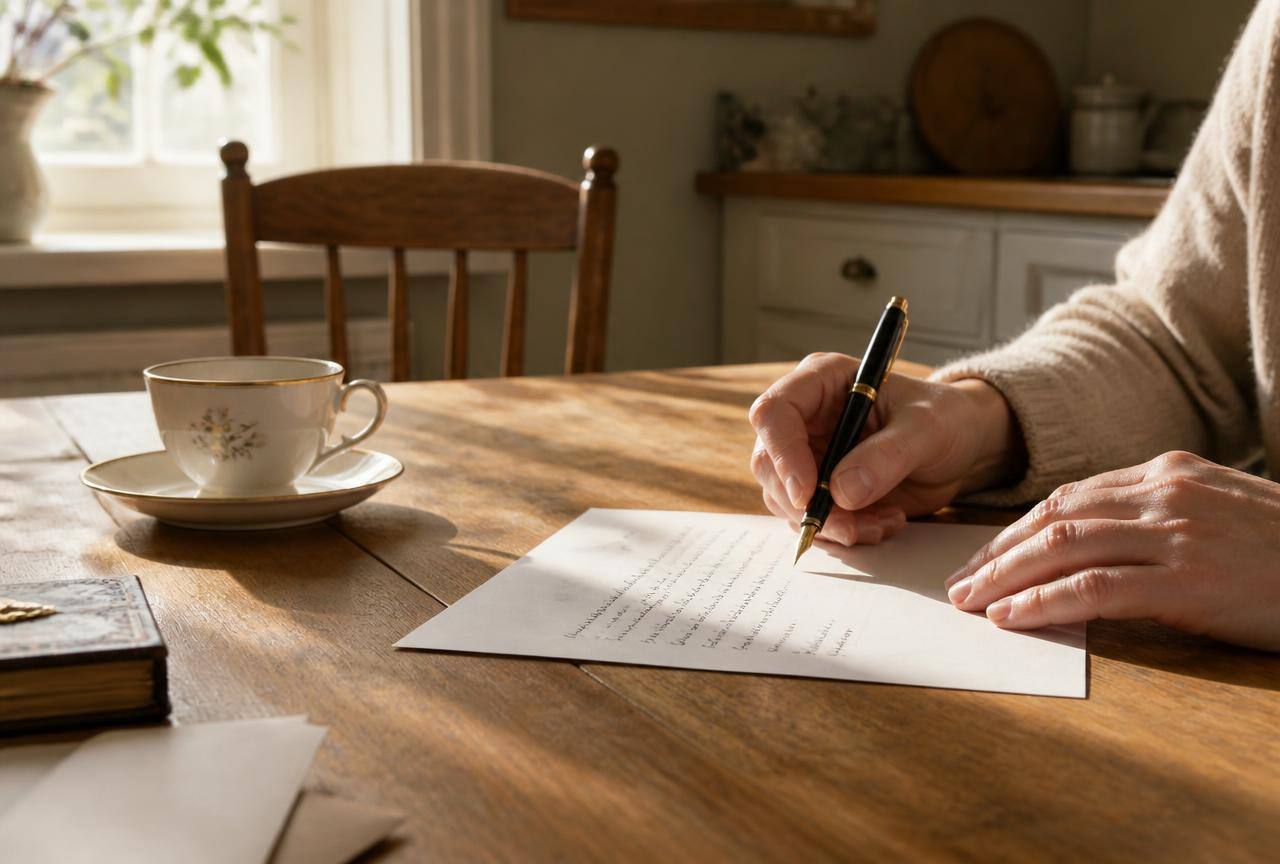
You write to the headteacher stating that you are withdrawing your child from school to educate them otherwise than at school. The school must then remove your child from the register under Regulation 8(1)(d) of the Education (Pupil Registration) (England) Regulations 2006.
That's it. You don't need a reason, a plan on paper, a teaching qualification, or the local authority's permission.
Before you send the letter
Take a breath. This decision often feels enormous, and it can help to talk it through with your partner or a trusted friend first. There's no rush, and the school day carries on until the moment you send the letter.
Check where your child is on the register. If they've never been to school (for example, they're four and you never sent them), you don't need to deregister at all, because they were never registered in the first place.
If your child is at a special school and has an Education, Health and Care Plan (EHCP) that names that school, you do need the local authority's consent to remove them. This is the one exception in England.
Step by step
1. Download the template letter at the top of this page and fill in the highlighted sections: your name and address, the date, your child's full name and date of birth, and the school details.
2. Address the letter to the headteacher by name if you can find it on the school website. It looks more considered and often gets a warmer reply.
3. Send it by email as a PDF attachment, or by post using recorded delivery. Emailing is fine and much faster. Keep a copy for your records.
4. Your child is legally home educated from the date the school receives your letter. You do not have to wait for a reply.
5. The school will notify the local authority within ten school days. You may then get a friendly letter from the authority's Elective Home Education officer, asking for information about your provision. You are not legally required to reply, though many families choose to.
What if the school pushes back?
Some schools respond straight away with acknowledgement and warm wishes. Others push back, especially if your child is in Year 6 preparing for SATs or has a history the school is worried about. That resistance is understandable but not legally relevant. Once you have written to withdraw your child, the school must deregister them.
If you feel pressured, keep everything in writing and stay polite. The organisations Education Otherwise and Home Education UK both offer free advice if you get stuck, and both have templates for firmer follow-up letters if a school delays.
Scotland and Northern Ireland
Scotland is different: if your child has attended a state school, you need the local council's consent to withdraw them. Consent is normally granted, but it isn't automatic. Northern Ireland is closer to England: a letter to the school is enough, though the Education Authority may then be in touch.
The first week after
Almost every home educating family will tell you the same thing: don't try to recreate school at the kitchen table. Give yourselves a few weeks of deschooling, walks, library trips, baking, reading together, and letting your child rediscover what they're curious about. Real rhythm builds from there.
When you're ready to plan properly, Homeschool Club can help. We'll build your first weekly plan around your child's age, interests and the hours you actually have.